Real guides, valuation strategies, and expert analysis to help you understand your vehicle’s true worth, and avoid accepting less than you deserve.
Even after perfect repairs, accident history can reduce resale value. Learn how Vehicle Value Analysis’ Inherent Diminished Value Report documents market loss with real comparable data.
Property damage disputes are often undervalued and time-consuming. Learn how Vehicle Value Analysis (VVA) and the Who-Owes-What Portal help PI firms handle total loss, diminished value, and loss of use claims.
GAP providers are exposed when total loss settlements are undervalued. Learn how Vehicle Value Analysis (VVA) provides market-based valuation reports to help close the valuation gap.
Collision repair shops see undervalued insurance settlements daily. Learn how Vehicle Value Analysis (VVA) provides market-based reports to support fair total loss, repairable, and diminished value claims.
Discover how Vehicle Value Analysis uses real local comparable sales data to help drivers negotiate trade-ins, insurance settlements, and private sales with confidence.
Insurance settlements are often undervalued. Learn how Vehicle Value Analysis (VVA) helps drivers verify actual cash value using real market data and negotiate fair compensation.
What happens when a lienholder repossesses a defaulted vehicle that has previously been damaged or declared a total loss? Insurers often undervalue repairable claims by $8,900 on average, while under-indemnification on total loss claims averages $4,300.
When it comes to selling, trading, or negotiating a vehicle, most people start with a quick estimate. That initial number can be helpful, but it rarely tells the full story.
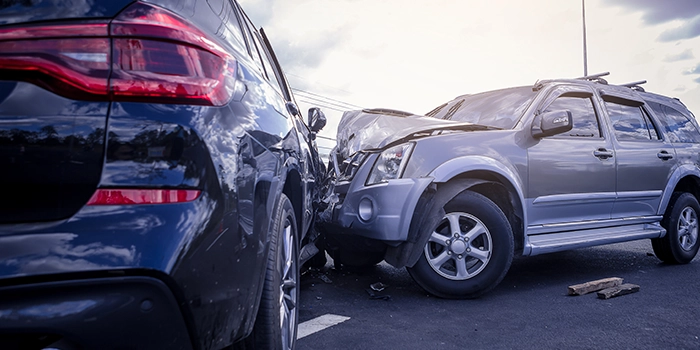
If your vehicle has been in an accident, even if it was repaired properly, it may still be worth less than before the damage. This loss in market value is known as diminished value, and it is one of the most misunderstood aspects of vehicle damage claims.
Car values change dramatically by ZIP code. Learn how location, climate, demand, and market conditions impact your vehicle's true value, and how to price it correctly.
Understand the difference between ACV and market value after an accident. Learn how insurers calculate payouts and why your real market value may be higher.
Insurance offer too low? Learn how ACV valuations work, why insurers undervalue vehicles, and the exact steps to dispute, counter, and win a fair payout.
Car valuation is one of the most misunderstood parts of selling a car, trading it in, or dealing with an insurance claim. Most people assume the number they receive is accurate because it comes from a dealer, an insurance adjuster, or a well-known online tool. Click to read more.
If you are thinking about trading in or selling your car, the most important thing you can do is determine its real market value. Click to learn more
If your vehicle has been damaged or declared a total loss, the first number that really matters is the amount your insurer says your car is worth. Click to learn more.